Tuesday, January 06, 2009

Midwives of Nonprofit Technology

I've been mulling this one over for several days, not sure what to do with it. But I need to do SOMETHING.

It was the morning of New Year's Eve. Philip and I were reading in bed. NPR was on in the background. We were only half listening. It was "Talk of the Nation."

Then Philip recognized it was Andy Carvin speaking (about 12 minutes in). Ah, what's he up to these days? (We'd worked together at Benton and traveled in nonprofit/community technology circles back in the '90s.)

So I put down my book (or my laptop, most likely) and listened. Ah, he's talking about another "old timer" of nonprofit/community technology-- Steve Snow! I wonder how Steve's doing? Haven't seen him in years. Then I hear Andy use the "was" verb. Huh? And to make matters worse, he mentions another Steve in the past tense-- Steve Cisler, librarian and very active in Apple's early forays into putting computers into libraries. All this long before the Web came along in the mid-late 90s.

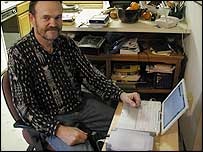


These two men were major contributors to birthing the "nonprofit technology" movement. And we lost them both in 2008. Cisler lost a battle with cancer back in May; Snow gone from a heart attack right after Christmas. I found myself weeping, but in anger.

What makes me mad? So few people bouncing around the current online aether even know about these and other fine folks out there who laid the groundwork of what has become a very vibrant online environment, rich with advocacy and social change and human services and culture-- back in the day when it was NOT ALLOWED TO SELL THINGS ON THE INTERNET! (People under a certain age, but not much younger than me, look at me like I'm out of my mind when I tell them that such a time existed.)

I was but one of the many "midwives" of nonprofit technology, many of whom have faded away or moved on to other ventures (as I did), some (I refrain from using the phrase "die-hards" given the recent deaths) who continue the NP tech work like the Energizer bunny. (Beth Kanter comes to mind.)

So I find myself on something of a desperate journey to track down the "midwives of nonprofit technology" (of whatever gender) -- to make sure they know how important they are, what a critical role they played, no matter what they may be doing or not doing now. (I just learned that one such midwife is recovering from her second bout of breast cancer!)

Maybe it's because I'm about to turn 50, an age I can't quite fathom. Just like I can't quite fathom that Steve and Steve are gone from this plain.

Who was your midwife? Or your organization's? Have you seen or talked to them lately? Have you told them the impact they had on your life? on your community? Do they know? Go find them. Tell them. Before they're gone.


Related Posts

Wednesday, June 04, 2008

How to Select a Coach

I was recently asked to help someone think through the kinds of things they should consider when selecting a coach. Here's what I shared with them.

First off, if we were speaking by phone, I’d ask more questions about what you and your colleagues (and your organization) seek to gain from investing time and money into coaching. For example:

  • What outcomes does your organization seek from investing in coaching for its leadership team?

  • What outcomes do each of the members of the leadership team hope to gain from investing their time in coaching?


Your answers to such questions would probably tell me more about how I could advise you. Also, the clearer you all are about the answers to those questions, the more likely you’ll benefit from whatever investment you make.


But to answer the questions you asked me, I’ve compiled the following.


If you want to vet potential coaches based on training and/or certification, here are a few things to consider asking them:


  1. Have they had any formal coaching training?


    If no, how long have they been a coach? How many coaching clients to they currently have? Approximate how many coaching clients have they had since they became a coach? [Some people may not have had any formal training, but have been successful coaches for a long time; answers to these questions should get at that.]


    If yes, a) what coach training program did they attend? b) When? c) Are they certified through that program? d) Is that certification recognized by the International Coaches Federation? (Many formal coach training programs – e.g., Coaches Training Institute – have their own certification process that may or may not be recognized by the ICF, which is the closest thing that the coaching sector has to a professional association.)

  2. Are they certified through the International Coaches Federation?


    Whether or not they went through a formal training program, they may have separate certification through ICF.

  3. What is their preferred way of working with clients?

    • in person or over the phone (the latter of which is perfectly fine, but you may have a preference)
    • for specified periods of time (such as six months—most coaches have a minimum requirement/recommendation of three months) or ongoingly
    • how do they typically work with clients? [see my questions below]
    • what they charge

  4. Do they have any past or current clients who are willing to serve as referrals?

    And if so, when you speak with those references, ask them open-ended questions about their experience with the coach:

    • What was their reason for seeking a coach?
    • What did they get out of it?
    • What did they like best about working with this particular coach?
    • Would they work with them again? Why or why not?
    • What advice do they have for you if you were to work with this particular coach? (This last question is an alternative and powerful way to get at what may not have gone so well.)


Whether or not they have formal training and/or certification, pay attention to the types of questions they ask YOU. If they don’t ask you any questions, that would be a red flag in my book. Seek individuals who:


  • Focus more on you and the desired outcomes you seek from investing time and money into coaching.
  • Ask you open-ended questions aimed at understanding you and helping YOU understand what you need—people who help you get clear.

Watch out for advice-givers / sharers of expertise. They may be great consultants, but such people are not coaches. (For example, this post is more of a consultant-type approach because I’m giving advice; if I was approaching you purely as a coach, there would be far more questions for you.)


A good coach is someone who asks you powerful questions that help you identify and acknowledge your strengths and challenge areas, and who puts you in the driver’s seat.


Lastly, while training and certification are good indicators, they will not necessarily translate into excellent coaches. And you may find some coaches with neither training nor certification who are phenomenal. In addition, a coach who is great for one person may fall flat with someone else. So after you’ve done some initial vetting that is framed by what overall your organization seeks from providing coaching to its executive team and what each member wants from the experience, you will likely want to have individual interviews with potential coaches. I.e., you should not pick the coach for another colleague (nor vice versa).

Thursday, December 28, 2006

Network-Centric Leadership

It's that lovely quiet week between Christmas and New Years. A great time to re-organize the office and catch up on the pile marked "READ ME!" over there in the corner.

Here's the March 2006 issue of Associations Now that frequently has some good articles in it. This issue includes an article about what it takes to be a leader in a network centric world:


  1. high tolerance for ambiguity
  2. comfort with chaos
  3. a relaxed, friendly demeanor
  4. able to focus on policy and getting people to work together
  5. encourages support staff and volunteers to act like administrators, like an owner of the community, its standards and purpose
  6. starts with an ennobling purpose
  7. establishes a democratic community where individuals are equals
  8. enable all participants in the organization to contribute; uses structure and [management] only to honor the community purpose
  9. assumes good intentions
  10. supports learners and a learning culture
  11. remembers that communities (including of staff) are social entities
  12. implements a a decision making process that is less gureaucratic, more open and flexible
  13. values good data about constituents / target audience
  14. throws out any old assumptions that all constituent interactions must be controlled from headquarters